Kindness Welfare Team
Food Distribution Division · 10 March 2026
Food donation is one of the most practical ways to support people facing hunger. Learn where to donate food, how to handle leftover food, and how to support food distribution NGOs in India.
Introduction
Food donation is one of the most practical ways individuals and communities can support people facing hunger. In many cities across India, thousands of people struggle to access consistent meals due to financial difficulties, medical expenses, or temporary employment challenges.
At the same time, a large amount of food is wasted every day from households, restaurants, and events. Redirecting surplus food toward people who need it can help address both problems at once.
Food donation programs organized by community groups and NGOs help ensure that food reaches people safely and respectfully. By supporting these initiatives, individuals can play a meaningful role in strengthening community welfare.
Organizations such as Kindness Welfare Association work toward addressing this challenge by organizing food distribution initiatives and community support programs.
Learn more about their work here: Kindness Welfare Association
Why Food Donation Matters
Food donation is important because it directly helps individuals who may not always have access to regular meals.
In urban environments, many people face situations where daily food security becomes uncertain. This may include daily wage workers, people accompanying patients at hospitals, or individuals temporarily experiencing financial hardship.
Food donation programs help address this need by providing consistent meals to those who require support.
Some of the key benefits of food donation include:
- Reducing food waste in communities
- Supporting individuals facing temporary hardship
- Strengthening community solidarity
- Helping NGOs maintain food distribution programs
When communities participate in food donation efforts, the impact can reach hundreds of people every day.
Where To Donate Food
People often search online for where to donate food or NGO for food donation when they want to help.
Several options exist for donating food responsibly.
1. Community Food NGOs
Many non-profit organizations run structured meal distribution programs. These organizations collect donations and use them to prepare meals or distribute food to individuals who need support.
Kindness Welfare Association is one such organization that focuses on community support and food distribution initiatives.
Their Daily Food Seva campaign helps provide meals to individuals who may not have access to consistent food. You can support this initiative here:
Daily Food Seva Campaign2. Community Kitchens
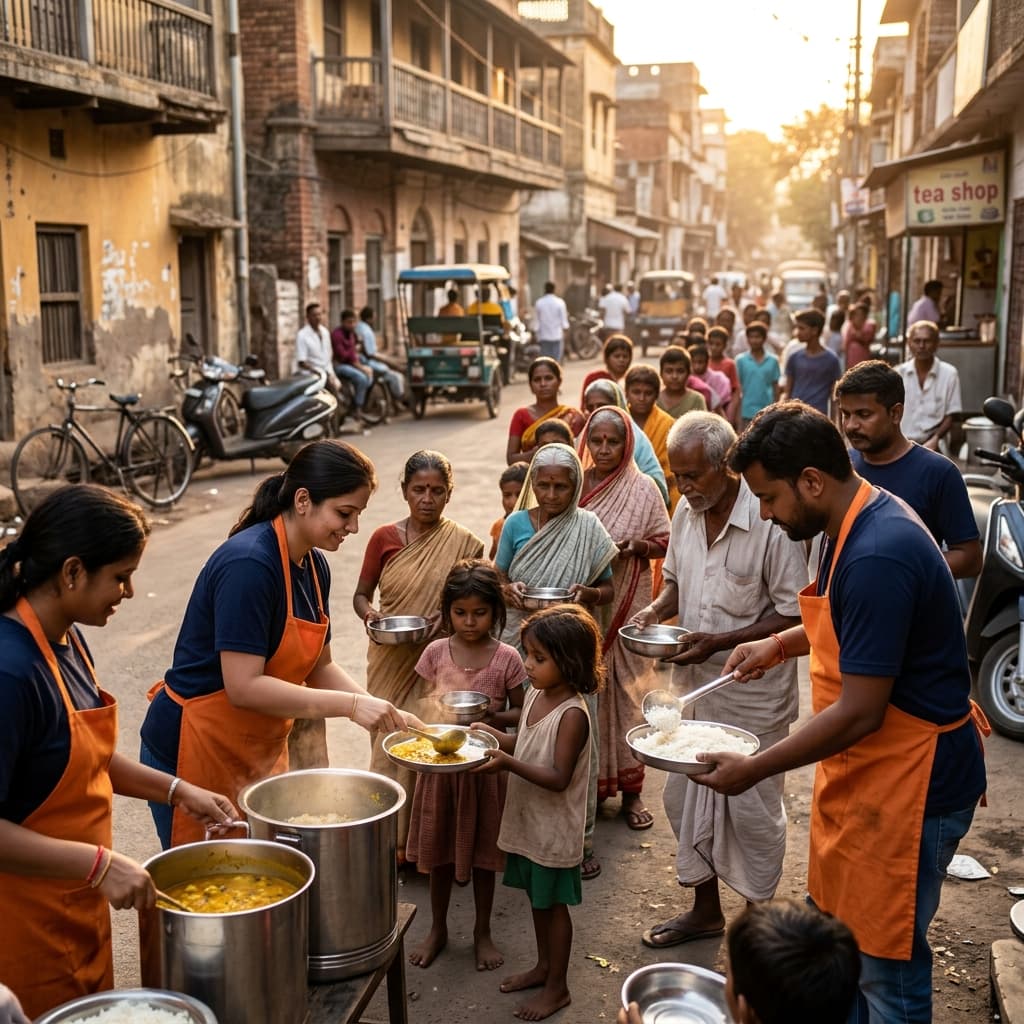
Community kitchens operate by preparing meals in bulk and distributing them to people in need.
These kitchens often rely on donations of ingredients, funds, and volunteer support to continue their work. Supporting community kitchens helps ensure that meals remain available for people facing temporary difficulties.
3. Food Distribution Drives
Some NGOs organize periodic food distribution drives in areas where people may require support.
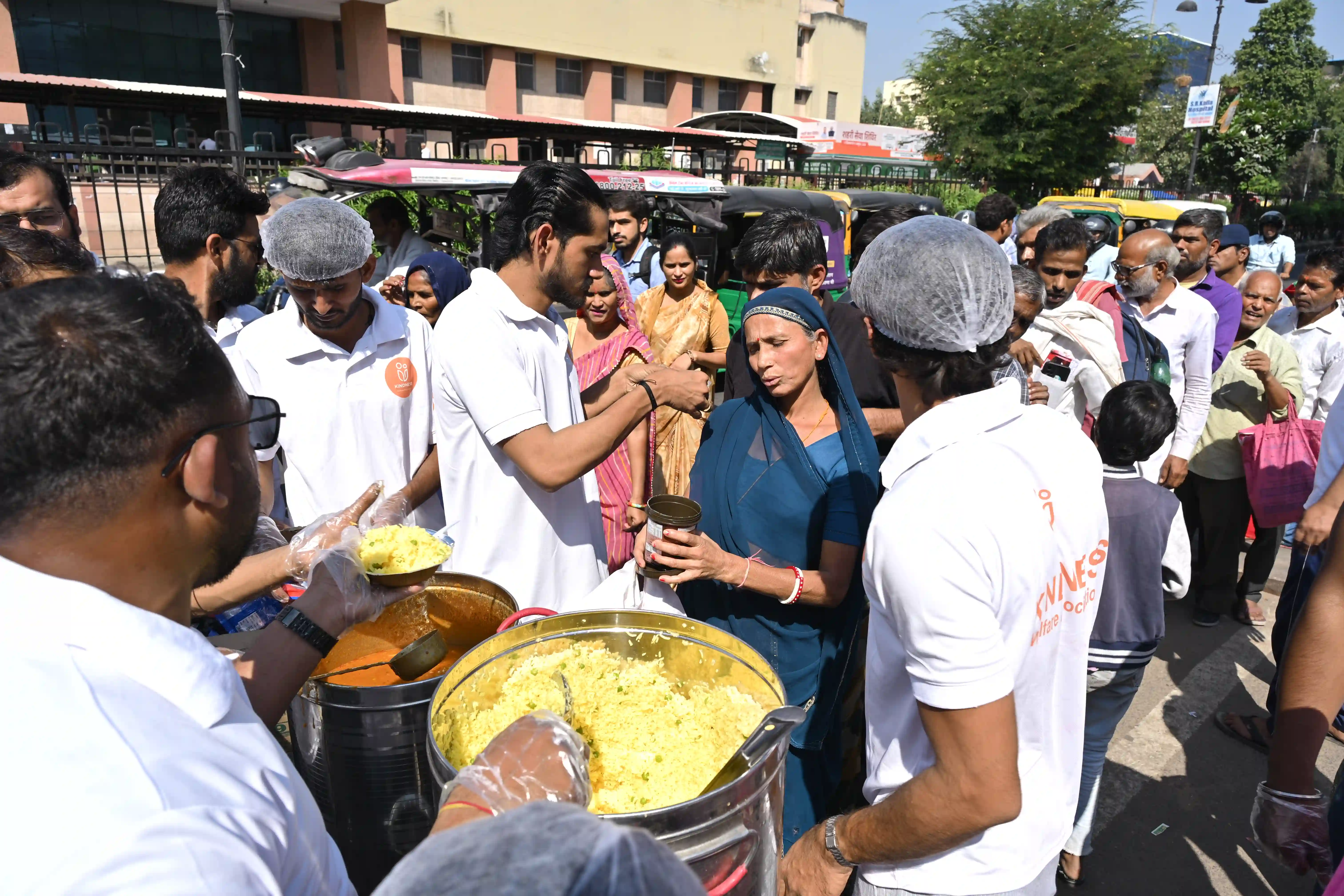
These programs focus on delivering meals directly to locations where individuals gather, such as near hospitals or public areas. Such initiatives require coordination, volunteers, and financial support from donors.
Can Leftover Food Be Donated?
Another common search is leftover food donation near me. Many people want to donate surplus food after events, gatherings, or restaurant services.
Leftover food can be donated if certain safety guidelines are followed.
Important considerations include:
- Food must be freshly prepared and safe for consumption
- It should be properly stored to prevent contamination
- Distribution should occur within a reasonable time
NGOs and volunteer groups often coordinate with donors to ensure food is distributed responsibly.
If you have surplus food that you wish to donate, it is best to contact an organization directly to arrange proper distribution. You can reach out here: Contact Us
Supporting Daily Food Distribution Programs
Many NGOs rely on structured meal programs rather than occasional donations. These programs ensure that individuals receive food regularly instead of only during special events.
Daily food distribution initiatives require resources such as:
- Cooking ingredients
- Transportation for distribution
- Volunteer coordination
- Operational support
By contributing to such programs, donors help maintain long-term food support systems.
The Daily Food Seva initiative by Kindness Welfare Association focuses on providing meals to people who may not have access to consistent food support.
You can learn more or contribute here:
Daily Food Seva CampaignVolunteer Opportunities In Food Donation Programs
Food donation programs also depend on volunteers who assist with organizing and distributing meals.
Volunteers may participate in activities such as:
- Preparing meals
- Packaging food for distribution
- Coordinating delivery logistics
- Supporting awareness campaigns
Volunteering provides an opportunity to contribute directly to community welfare while gaining meaningful experience.
If you would like to participate in such initiatives, you can explore volunteer opportunities here:
Volunteer With UsHow Individuals And Businesses Can Contribute
Food donation initiatives benefit from support across different groups within the community.
Individuals can contribute by:
- Donating funds to food distribution programs
- Supporting community kitchens
- Volunteering during food drives
- Spreading awareness about food donation initiatives
Businesses and restaurants can contribute by:
- Donating surplus food when safe to do so
- Sponsoring meal distribution programs
- Partnering with NGOs to support community initiatives
Even small contributions can help organizations sustain food programs.
The Importance Of Community Participation
Food donation programs succeed when communities come together to support them.
When individuals, businesses, and volunteers participate collectively, it becomes possible to create sustainable support systems for people experiencing food insecurity.
NGOs help organize and manage these efforts, ensuring that food reaches individuals safely and respectfully.
Organizations such as Kindness Welfare Association work with volunteers and donors to maintain food distribution initiatives that support communities in need.
Conclusion
Food donation is a simple yet powerful way to support individuals facing hunger while reducing food waste in society.
By contributing food, funds, or time to organizations working on meal distribution programs, individuals can help ensure that more people have access to basic nutrition.
If you are searching for where to donate food or NGO for food donation, supporting structured community initiatives is one of the most effective options.
To learn more about food distribution initiatives or support ongoing efforts, visit: Kindness Welfare Association
You can also support their Daily Food Seva campaign here:
Daily Food Seva Campaign